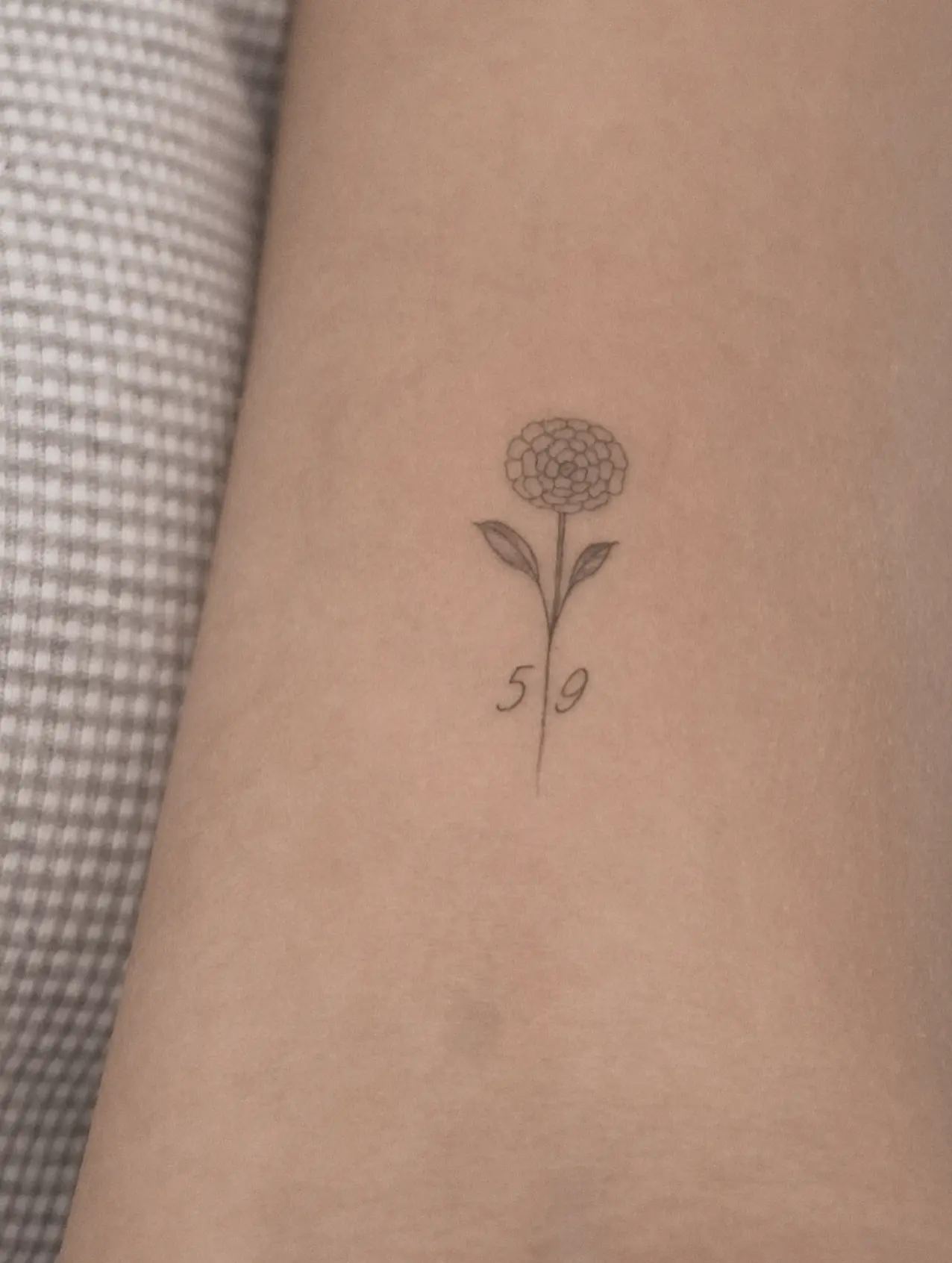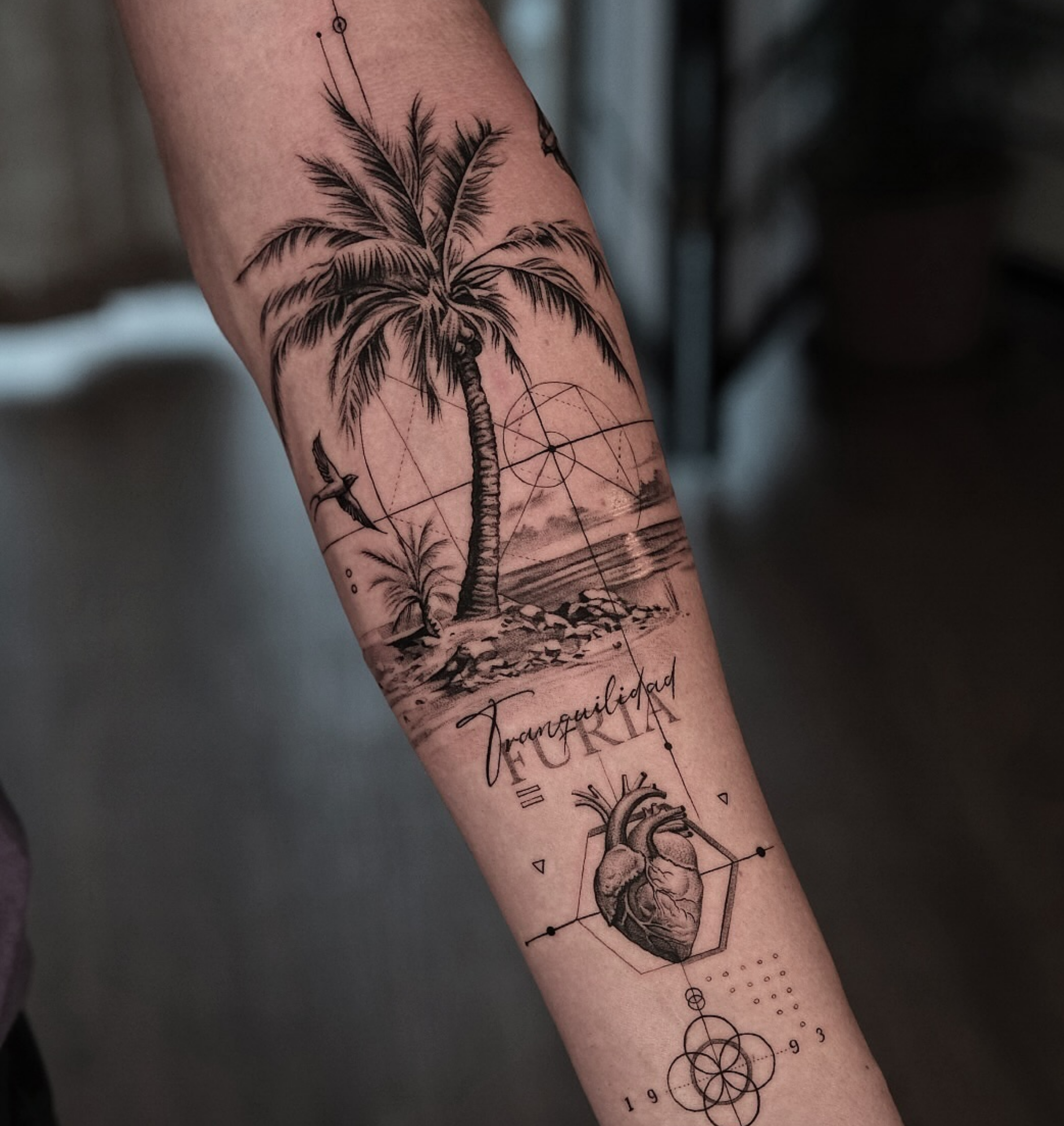
So you’ve just had a fine line tattoo and are already asking, “Why is my fine line tattoo fading after a week?” You’re not alone. As a cosmetic tattooist here in Melbourne with nearly a decade in tattoo culture and beauty, I’ve heard this question more times than I can count. Fine line tattoos are beautiful because of their minimalism, but they’re also the most fragile tattoos during the healing process and retention. In this article, I’ll explain why this happens, what’s normal in the healing process and how to keep your ink looking crisp.
At Cosmetic Tattoo Studio Melbourne Face Figurati, I work with clients who love the clean and subtle artistry of fine line tattooing. Whether it’s a first piece or part of a collection, knowing what to expect in the healing journey makes a big difference.
Contents
- 1 Healing Expectations vs. Panic Mode
- 2 Why Delicate Tattoos Heal Differently
- 3 Factors That Influence Healing
- 4 Common Reasons Tattoos Look Faded After a Week
- 5 The Melbourne Lifestyle Factor
- 6 Healing Timeline
- 7 Studio Insights: What I See Most Often
- 8 Proper Aftercare Makes All the Difference
- 9 Statistics on Tattoo Retention
- 10 When It’s Not a Technique Issue
- 11 Tattoos on Different Skin Types
- 12 Touch-Ups
- 13 Cost in Melbourne
- 14 How to Prevent Premature Fading
- 15 Final Thoughts: Trust the Process
- 16 FAQ
Healing Expectations vs. Panic Mode
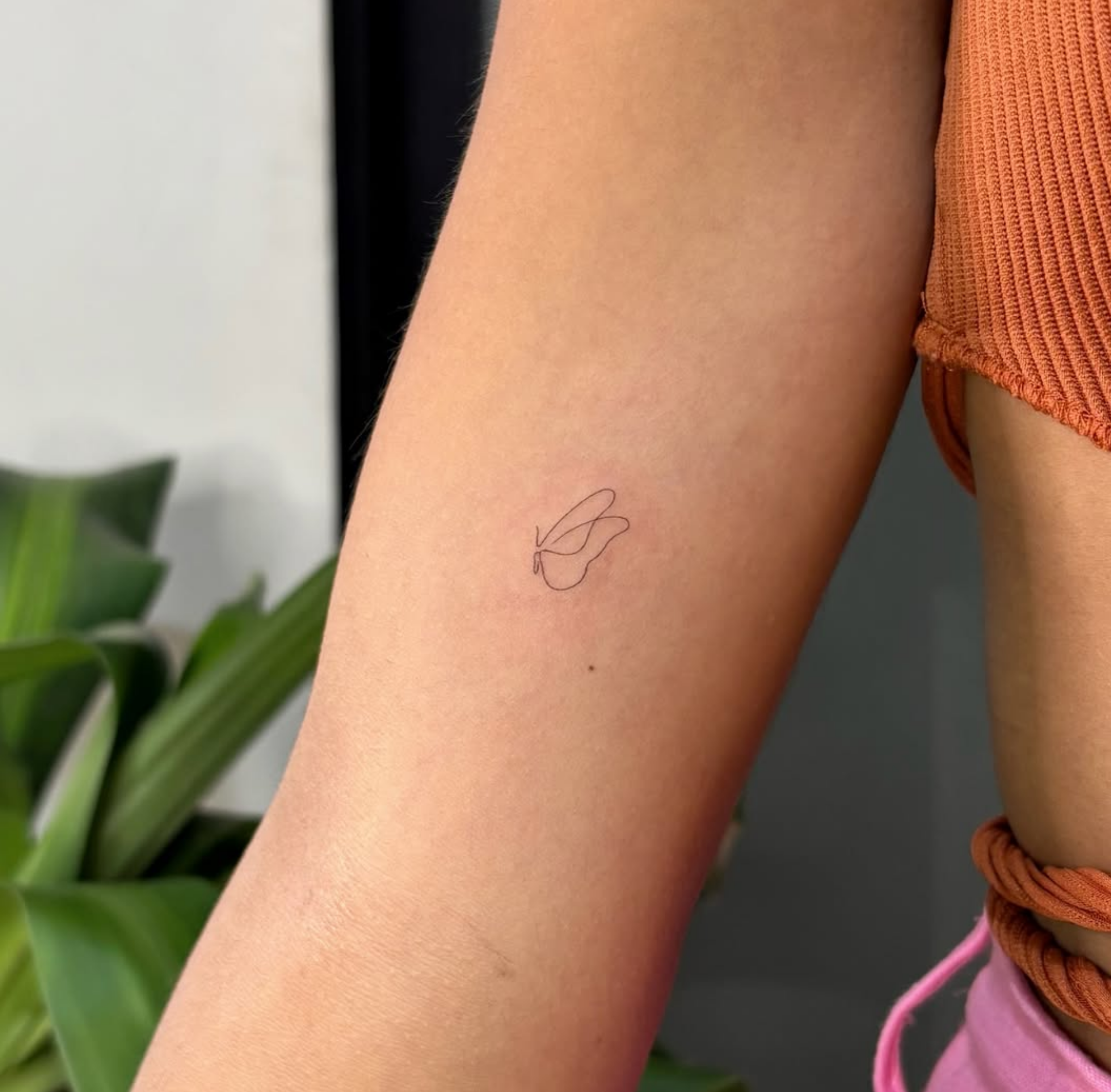
When a tattoo looks lighter after a week, it doesn’t mean something’s gone wrong. The first stage of the tattoo healing process always includes peeling, scabbing and a temporary faded look. Think of it like a fresh coat of paint drying — it never looks its best right away. For fine line tattoos, this early fade can be more noticeable because the lines are so thin.
Why Delicate Tattoos Heal Differently
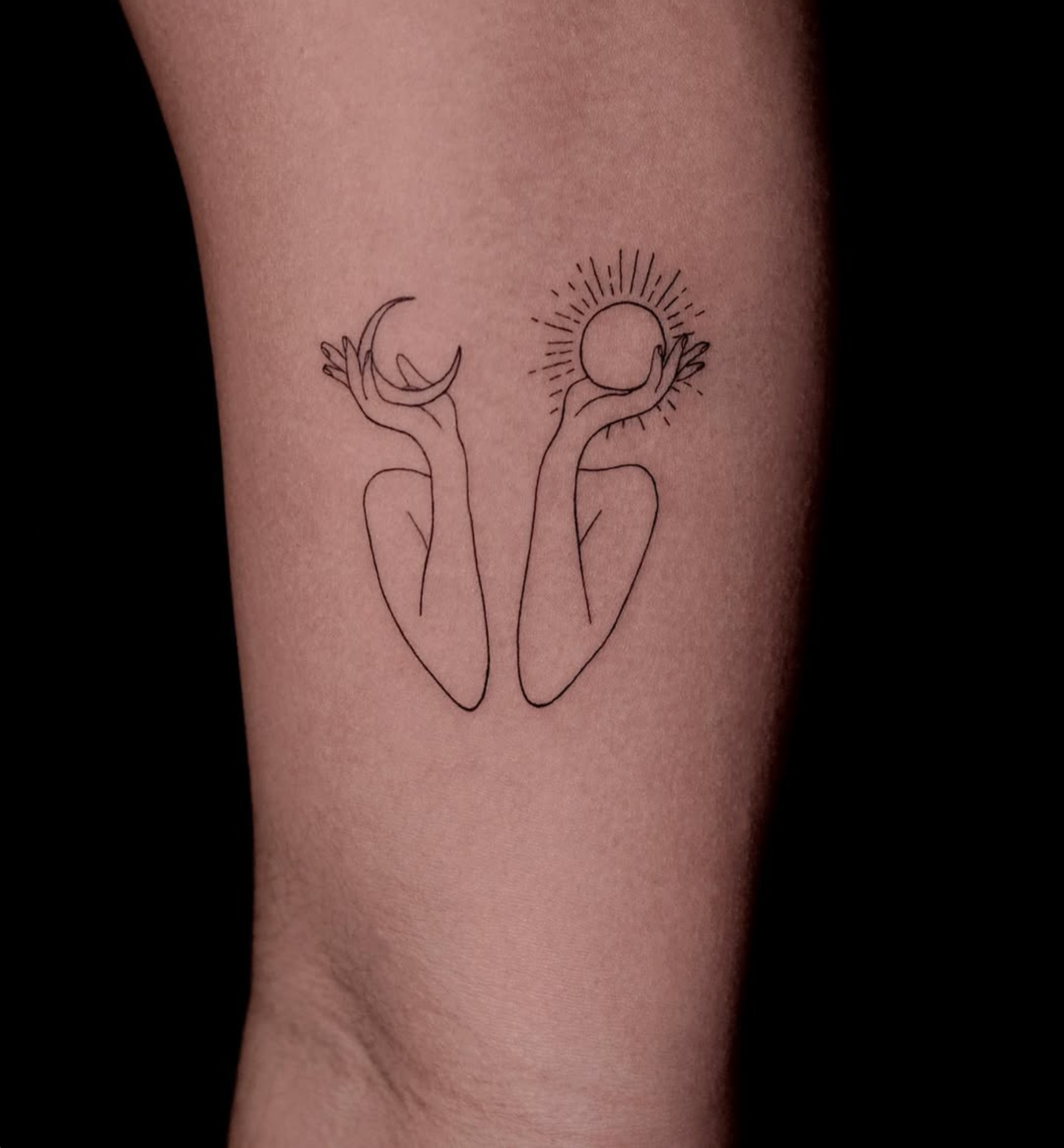
Unlike bold traditional tattoos that pack in more tattoo ink, fine line tattoos use less ink overall. So your skin sheds more visible pigment as it heals. Add Melbourne’s unpredictable weather — cold winds one day, blazing UV rays the next — and your skin has even more to deal with during recovery.
Factors That Influence Healing
- Skin type: Oily skin pushes tattoo ink out faster than dry skin.
- Placement: High-friction areas like finger tattoos, wrists, and ankles fade quickly.
- Aftercare routine: Over-washing or under-moisturising can interfere with healing.
- Tattoo depth: If the tattoo artist worked too shallow, the ink sits closer to the skin surface and may disappear during peeling.
Common Reasons Tattoos Look Faded After a Week
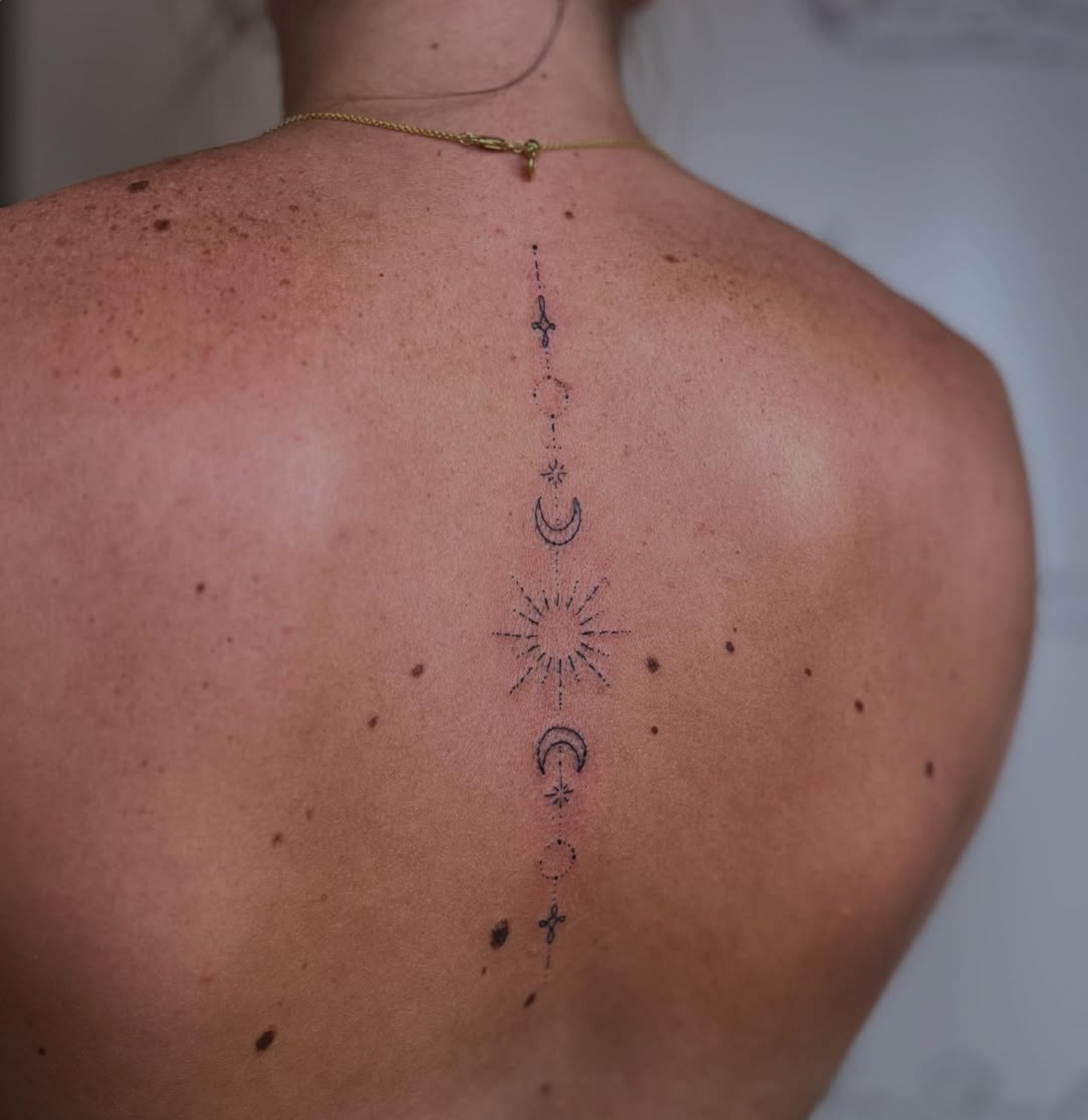
| Cause | Normal or Concerning? | What to Do |
|---|---|---|
| Peeling skin | Normal | Let it flake naturally, no picking |
| Scabbing | Normal (light) | Avoid scratching, moisturise gently |
| Patchy fading | Normal in week 1 | Expect pigment to resurface after healing |
| All-over fading | Possible shallow tattoo | Wait for touch-up consult |
| Blowouts or blurry lines | Technique issue | Discuss with your tattoo artist |
The Melbourne Lifestyle Factor
Here in Melbourne, lifestyle plays a big part in tattoo retention. We love our coastal weekends, sunny brunches and outdoor festivals — but UV exposure is the number one killer of fresh ink. A fine line tattoo Melbourne client who hits the beach the day after their session might find their design fading faster than expected. Even long sleeves or SPF can make the difference between crisp detail and fading tattoos.
Healing Timeline
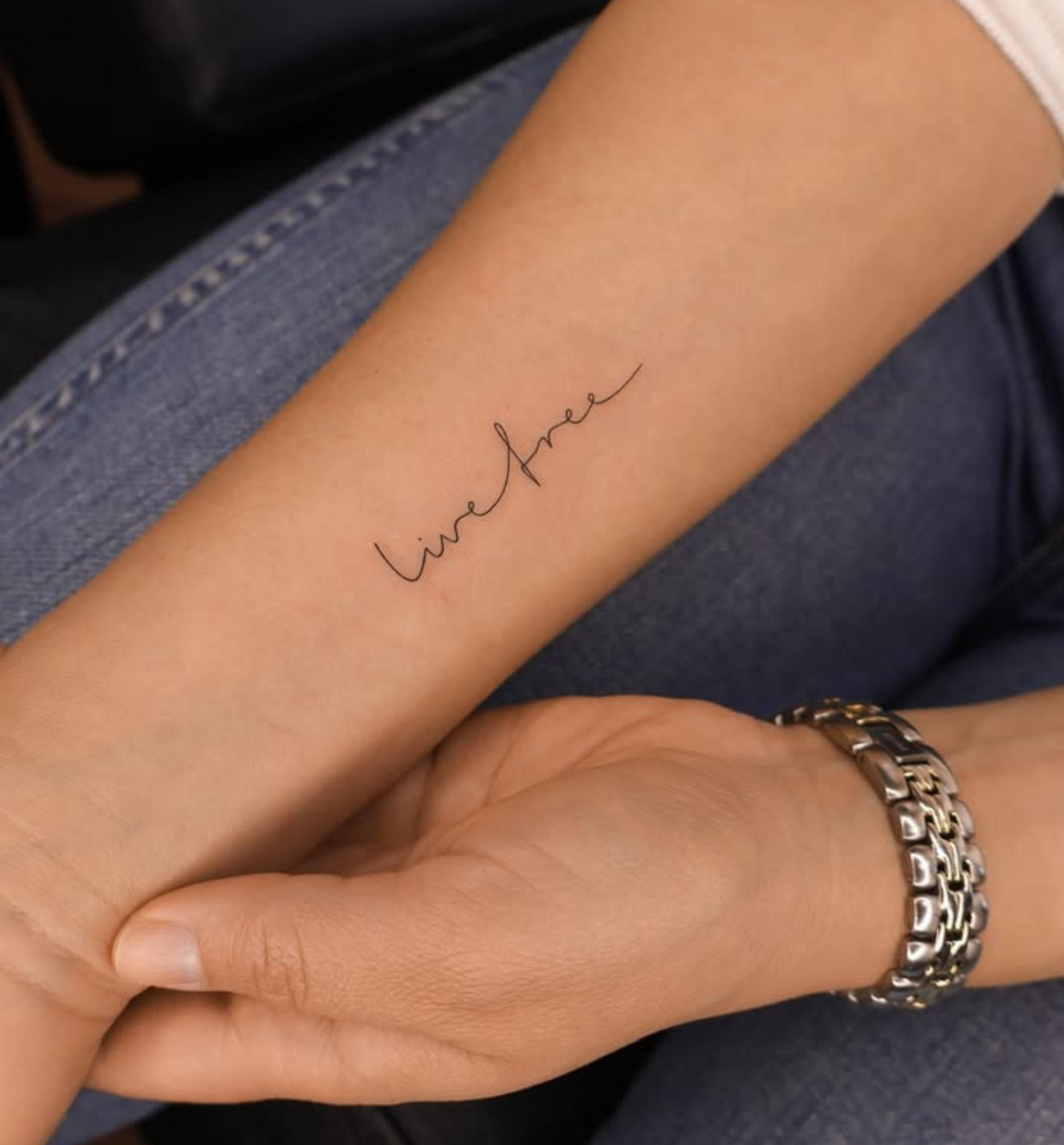
- Week 1: Redness, swelling, peeling and the dreaded “why is it fading already?” phase.
- Week 2: Peeling slows, but the tattoo may look cloudy or patchy.
- Week 3-4: Skin regenerates, lines sharpen up again and true healed colour shows.
- 6-8 Weeks: Time for a touch-up session if needed — especially common with fine line tattooing and finger tattoos.
Studio Insights: What I See Most Often
At Cosmetic Tattoo Studio Melbourne Face Figurati, I often have clients come back worried that their fine line tattoo has already disappeared. One memorable tattoo experience was a client with a delicate constellation tattoo on her wrist. A week later, she was convinced it had vanished. By week four, the skin had settled, and the stars reappeared clear as day. This “ghosting” phase is so common with fine line tattoos.
Proper Aftercare Makes All the Difference
- Wash gently with fragrance-free soap once a day.
- Pat dry — never rub.
- Apply a thin layer of ointment (not too much or it suffocates the skin).
- Avoid soaking in pools, baths or the beach for 2 weeks.
- No direct sun until the skin is fully healed.
Statistics on Tattoo Retention
According to 2025 Australian beauty industry data, fine-line tattoos have a higher reported need for touch-ups within the first year compared to bold-line tattoos. 60% of fine line tattoo clients request a touch-up within 6-12 months, versus 30% of traditional tattoo clients. This isn’t necessarily a sign of poor work — it’s just the nature of fading tattoos in this style.
When It’s Not a Technique Issue
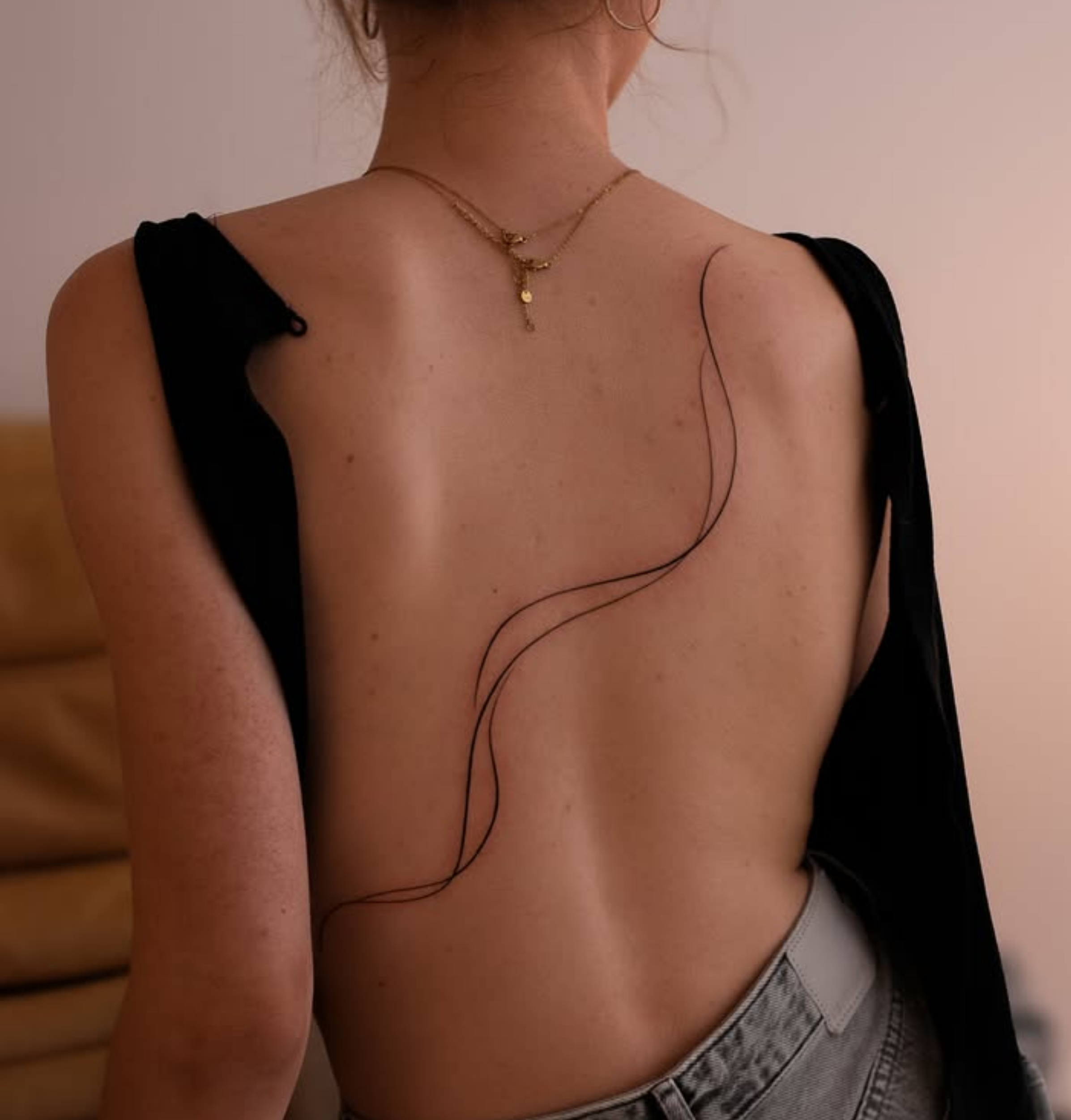
Sometimes fading isn’t just healing — it’s placement. If tattoo ink is deposited too close to the surface, it will shed off during peeling. If the ink is too deep, it will blur (known as a blowout). That’s why choosing an experienced tattoo artist who knows skin depth is key. Learning through a fine line tattoo course can also help new tattooists understand the delicate balance for crisp results.
Tattoos on Different Skin Types
- Dry skin: Heals more evenly but flakes.
- Oily skin: Ink retention is weaker, especially on the face and T-zone.
- Sensitive skin: More redness and irritation, but long-term results can still be good with care.
- Mature skin: Thinner skin requires a lighter hand and longer healing.
Touch-Ups
A touch-up isn’t a failure — it’s part of the tattoo experience. I recommend all fine line tattoo clients book in for at least one follow-up. At Cosmetic Tattoo Studio Melbourne Face Figurati, we book these at 6-8 weeks to perfect details and ensure longevity.
Cost in Melbourne
Fine line tattoos Melbourne start from $150-$200 for small pieces with touch-ups included or discounted within a certain timeframe. Larger, more detailed work will obviously cost more. Always check with your tattoo artist about touch-ups when booking.
How to Prevent Premature Fading
- Follow aftercare to the letter.
- Protect from the sun year-round (SPF is non-negotiable).
- Keep skin hydrated.
- Book touch-ups when recommended.
- Choose experienced tattoo artists who use professional tattoo ink.
Final Thoughts: Trust the Process
Staring at your healing tattoo and thinking, “Why is my fine line tattoo fading after a week?”? Breathe. Healing always looks worse before it looks better. By week 4, most clients are surprised at how much the design has “come back”. If it still looks patchy at your 6-8 week check-in, that’s why touch-ups exist. Patience, proper care and trusting your tattoo artist are key.
Still unsure? At Cosmetic Tattoo Studio Melbourne Face Figurati, I’m always happy to walk clients through the process, show real healed results and answer questions about what’s normal and what’s not.
Written by Olha Po — Certified Cosmetic Tattoo Artist, Founder of Cosmetic Tattoo Studio Melbourne Face Figurati.
FAQ
Do fine line tattoos always fade faster than other styles?
Yes, because they use less tattoo ink and thinner lines. But with proper care and touch-ups, they can last beautifully for years.
Is it normal for my tattoo to almost disappear during healing?
Absolutely. Many fine line tattoos look like they’ve “disappeared” in week 2, only to reappear clearer in week 4.
Can I wear sunscreen on a healing tattoo?
Not during the first two weeks. After that, daily SPF is essential to protect against fading tattoos.
How do I know if fading is a technique issue or just healing?
If lines look blurry (blowout) or disappear entirely without reappearing by week 6 it may be a technique issue with the tattoo artist’s depth.
Do I really need a touch-up, or is it optional?
For fine line tattoos and finger tattoos, touch-ups are highly recommended. They refine details and ensure the tattoo lasts longer.