When people ask us — Uliana Kasperska and Anastasia Petkov — “What’s Included in the Training Kit for Microblading Courses?” we know they’re not just asking about tools. They want to imagine themselves sitting in class, unwrapping a full professional kit that will shape their career. Think of it as your first toolkit in the beauty industry — part pencil case, part professional starter pack. And yes, we’ll be honest about what’s useful, what’s just fluff, and how it all ties into real microblading training here in Brisbane. In our Cosmetic Tattoo Studio, Brisbane Face Figurati, we see this first step as the beginning of every artist’s journey.
Contents
- 1 Why Your Microblading Tools Matter
- 2 Pigments: Shades That Work
- 3 Microblading Tools: More Than Just Blades
- 4 Practice Skin: Your Safe First Step
- 5 Hygiene & Safety: Non-Negotiables in Your Kit
- 6 Mapping Tools: Shaping Brows With Precision
- 7 Aftercare Essentials: Teaching Clients the Right Way
- 8 Real Classroom Stories
- 9 What You’ll Add Later (and What You Won’t Need Yet)
- 10 Your Microblading Course Essentials
- 11 Industry Standards & Stats
- 12 Final Thoughts
- 13 FAQ
Why Your Microblading Tools Matter
The training kit isn’t just a box of microblading tools, pigments and latex skins. It’s your hands-on classroom, your first practice set and the gear you’ll use when you start tattooing real skin. Having the right kit means you can practice clean microblading techniques from day one, not just memorise theory. We’ve seen too many Microblading Artists waste money on pretty packaging with no real value — that’s not what you want.
Pigments: Shades That Work
Pigment selection can make or break your eyebrow microblading results. A proper training kit should give you a few shades that suit a range of skin types — not fifty colours you’ll never use. In our Brisbane studio, we always push for neutral and versatile pigments because they heal better in our humid climate and flatter Aussie skin tones. Remember, Colour Theory is at the heart of pigment choice.
| Pigment Shade | Undertone | Best For |
|---|---|---|
| Medium Brown | Neutral | Fair to medium skin |
| Dark Brown | Cool | Olive or deeper tones |
| Soft Taupe | Warm | Mature or lighter clients |
Microblading Tools: More Than Just Blades
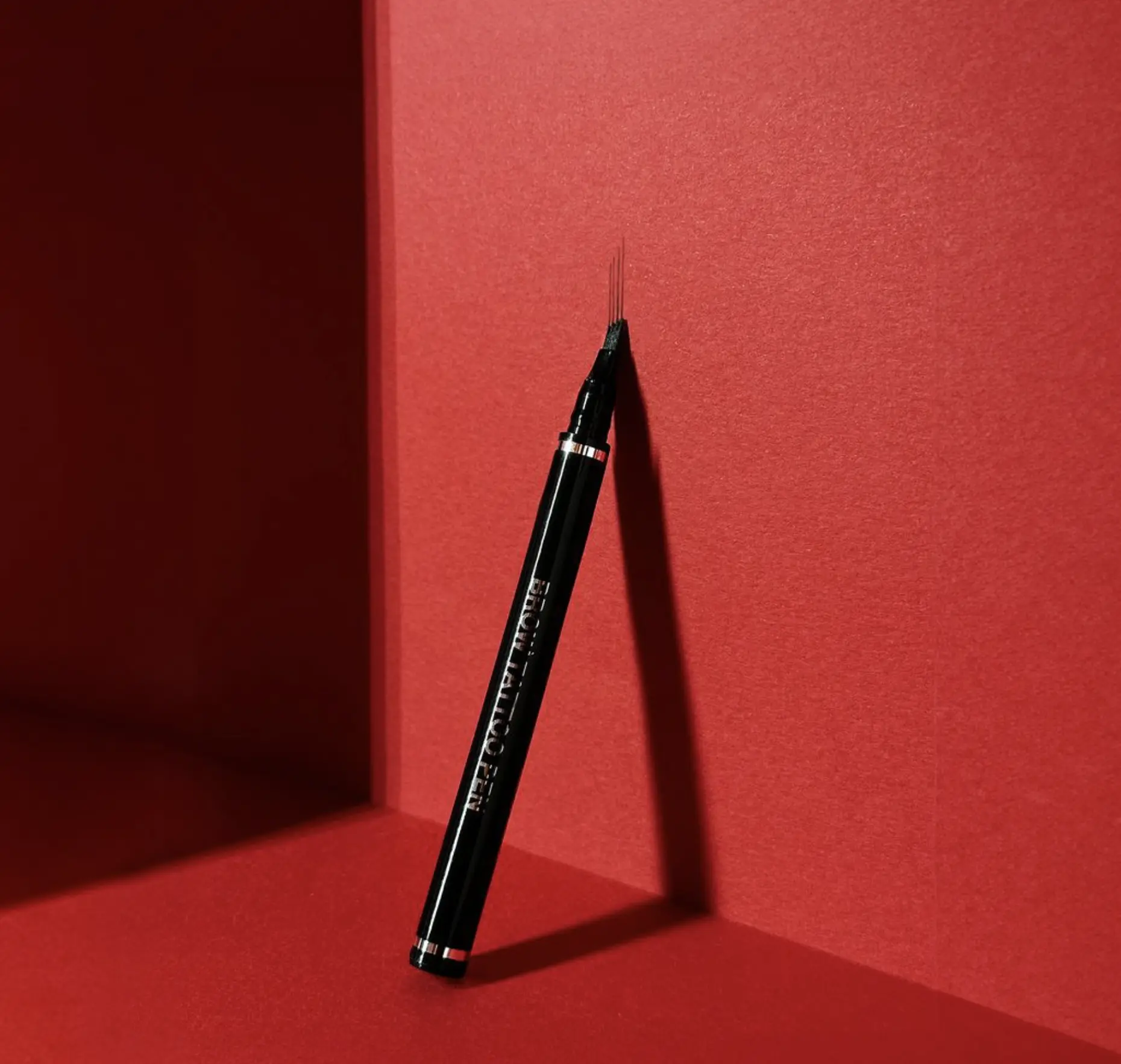
Every kit will have disposable microblading needles, but a good microblading course will give you more than that. Look for sterile, single-use blades in multiple sizes, plus a hand tool that feels comfortable in your grip. A solid training kit will also include accessories like brow rulers, callipers and skin markers so you can practice precision mapping.

Practice Skin: Your Safe First Step
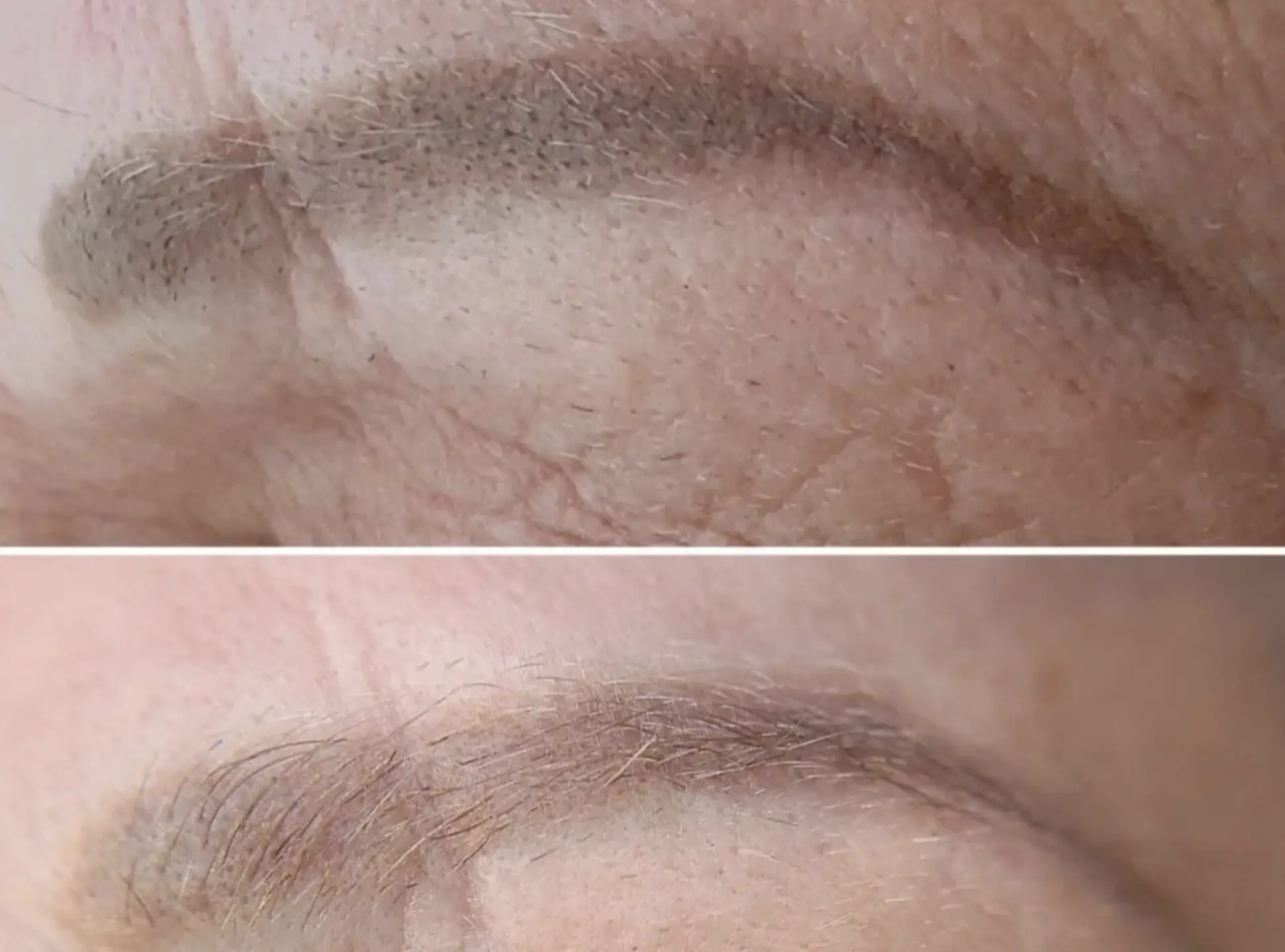
Before you ever touch a live model, you’ll spend hours on practice skin or latex skins. They let you practice stroke patterns, depth and pigment retention without the nerves of a real client experience. This stage builds the confidence you’ll need before performing a microblading eyebrows tattoo.
Hygiene & Safety: Non-Negotiables in Your Kit
A good kit includes more than just the fun stuff. Think nitrile gloves, disposable aprons, barrier film, cotton pads and antiseptic wipes. In Brisbane, where health regulations are strict, you’ll need to show you understand hygiene protocols from day one. Infection prevention is not optional.
Mapping Tools: Shaping Brows With Precision
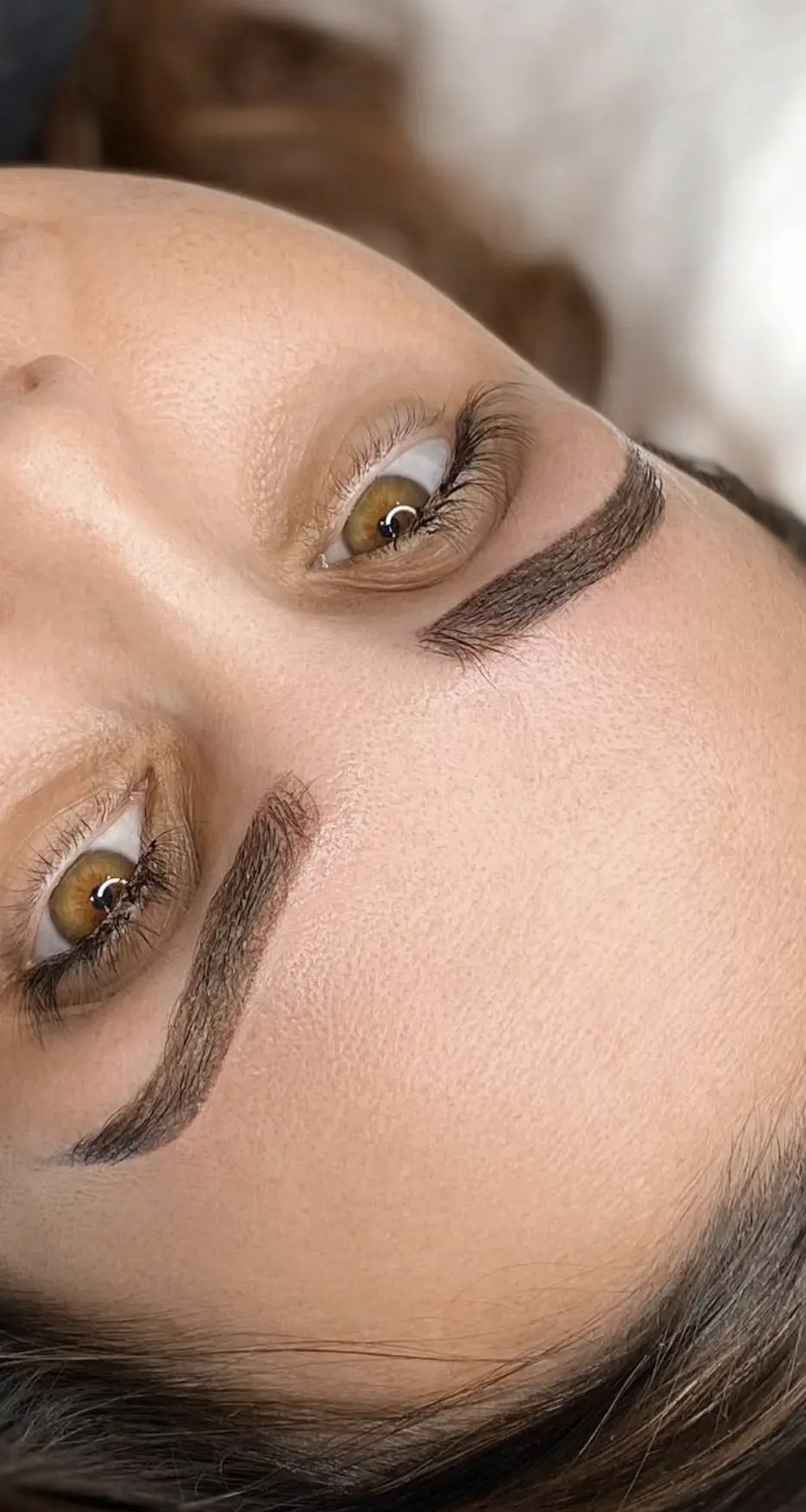
Good brow mapping is what separates natural, face-flattering results from cookie-cutter stencils. Kits often include brow pencils, a string with pre-marked pigment and measuring tools. These help you train your eye for symmetry and adapt shapes to different faces. If you’re serious about microblading Brisbane clients, mapping practice is key.
Aftercare Essentials: Teaching Clients the Right Way
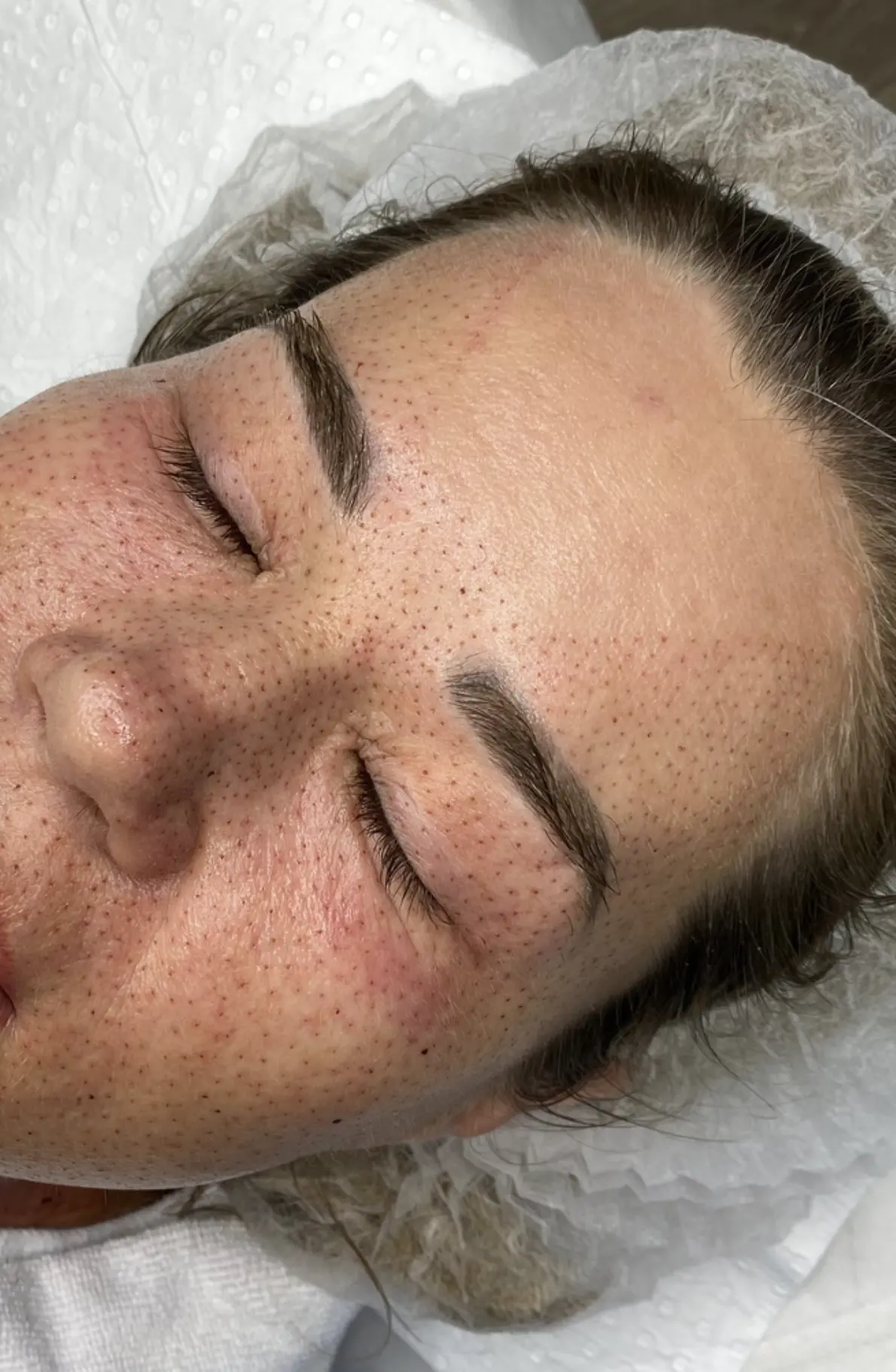
Many training kits include aftercare sachets — healing balms or wipes. These aren’t just freebies; they’re your chance to learn how to educate clients about healing. We always explain why ointment should be applied sparingly and why avoiding sweat, sun and swimming in Brisbane’s climate is crucial for long-lasting results.
Real Classroom Stories
When we train new microblading brows technicians, we’ve seen the excitement of opening that kit for the first time. One student told us it felt like “Christmas for brow nerds”. Another confessed she’d been practising strokes on bananas before getting her official practice skins. The right kit bridges that gap between DIY attempts and professional training with real demonstrations.
What You’ll Add Later (and What You Won’t Need Yet)
Not everything you’ll use in your career comes in the starter kit. Machines, advanced pigments and skin-type-specific products often come later as you refine your skills. Focus on mastering the basics first — clean technique, pigment selection and safe practice.
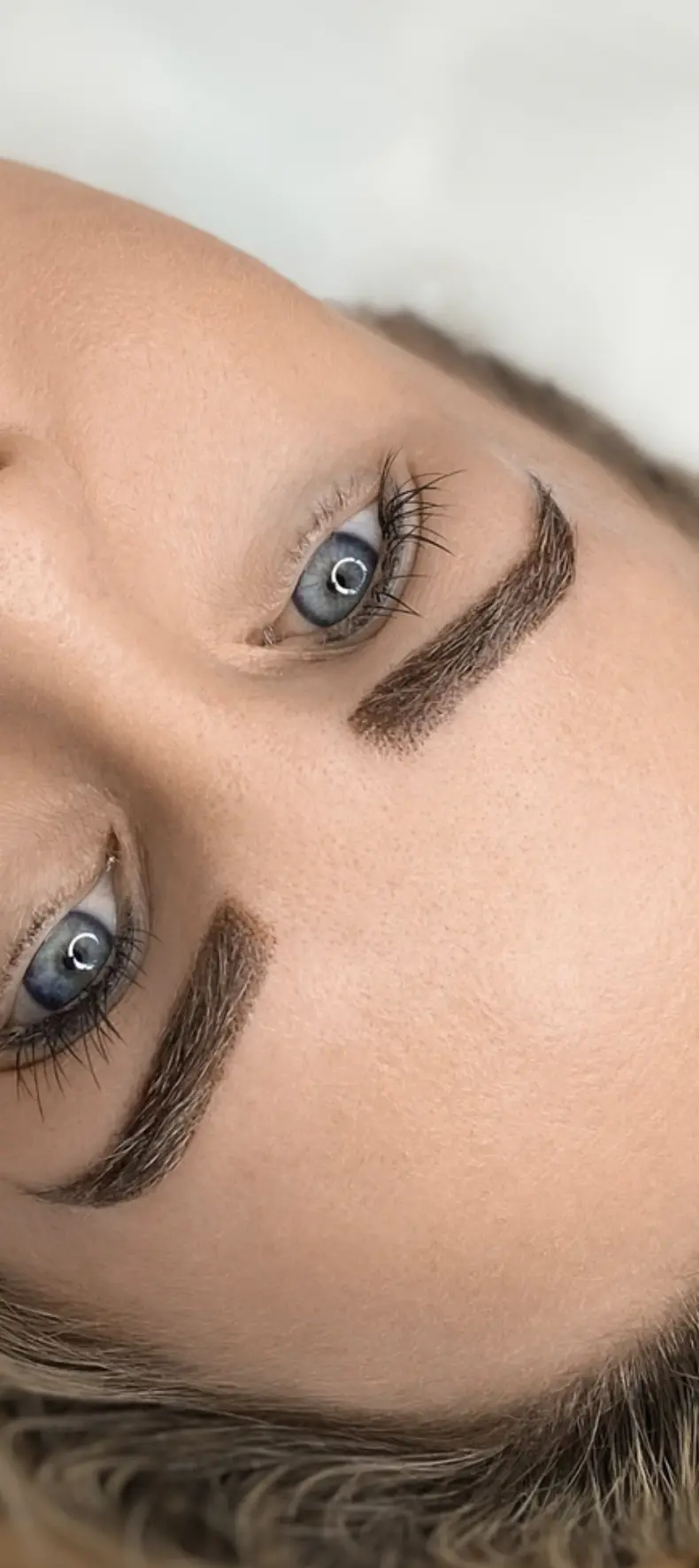
Your Microblading Course Essentials
- Sterile disposable microblading needles (various sizes)
- Hand tool
- Brow rulers or callipers
- Pigments (at least 3 neutral shades)
- Synthetic or latex practice skins
- Skin-safe markers or pencils
- Hygiene supplies (gloves, masks, barrier film)
- Aftercare ointment sachets
- Access to live model work for practice
Industry Standards & Stats
According to industry data, over 60% of beginner artists struggle most with pigment retention, often due to poor technique or low-quality pigments. With cosmetic tattooing demand still growing in Australia (the microblading training market has grown about 8% year on year since 2020), choosing the right foundation now will shape your career long term.
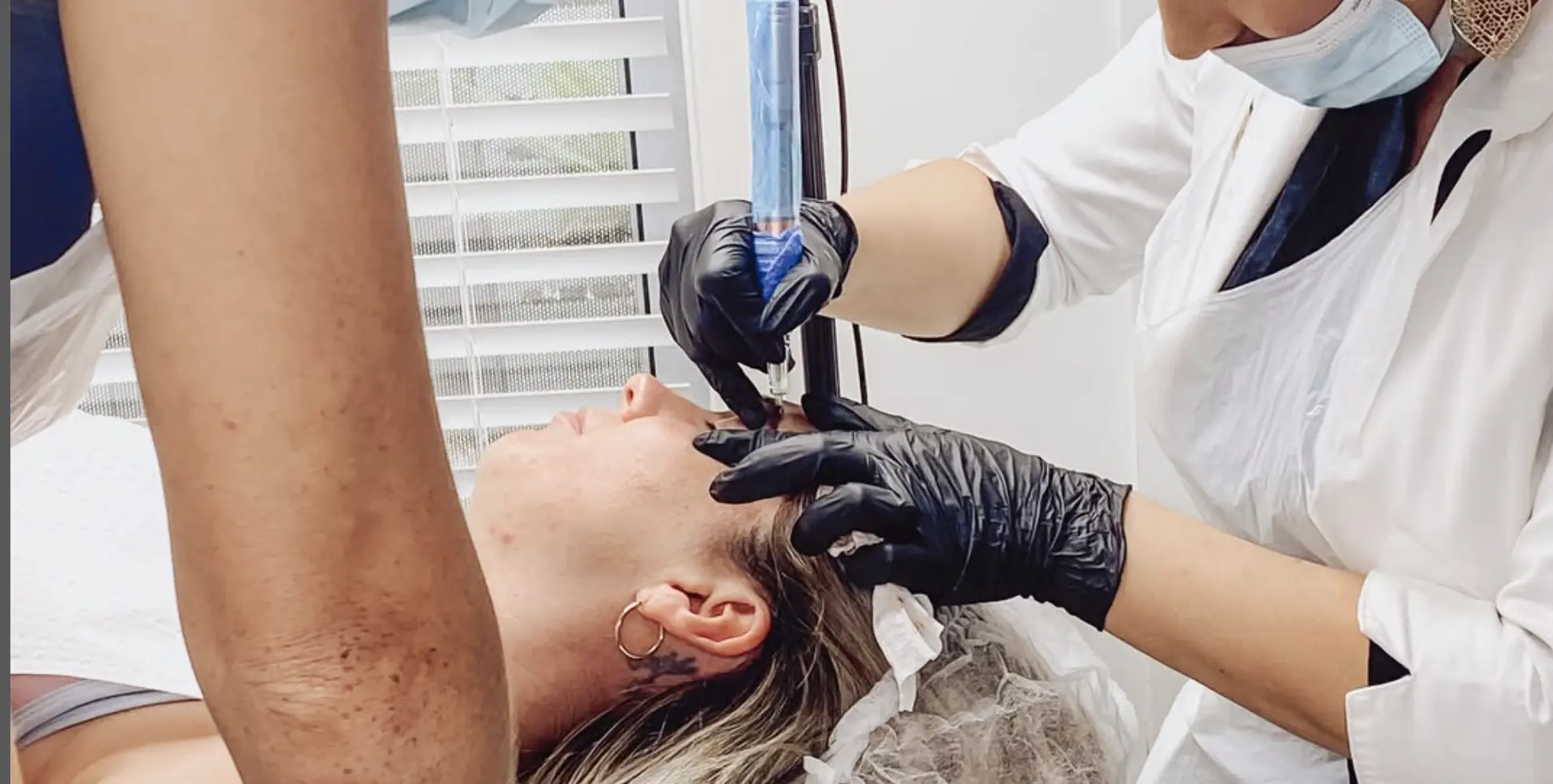
Final Thoughts
Your training kit isn’t just a starter box — it’s your first step into the beauty industry. Treat it as your foundation for building skill, confidence and safe practice. Whether you’re here in Brisbane or elsewhere, remember: it’s not about how many items are in the kit, but how well they prepare you for real clients. And if you’re ever unsure? Ask. Uliana and Anastasia are always happy to share what actually works — no gimmicks, no fluff, just experience.
FAQ
Do all microblading courses include the same kit?
No — contents vary widely. Some schools provide just the basics, while others include professional-grade pigments, mapping tools and microblading accessories. Always check before enrolling.
Can I use my training kit tools on paying clients?
Not right away. Your kit is for practice and models under supervision. Once certified, you’ll upgrade to professional stock.
What if my pigments don’t match my future clients’ skin types?
Starter kits usually include versatile shades, but you’ll expand your pigment range as you work professionally.
How long will the training kit last me?
It depends on practice. Most kits cover course requirements and allow for extra sessions afterwards.
Is it worth buying extra tools before I finish training?
Usually not. Focus on using what’s in the kit to build solid technique. Add advanced tools only after mastering the basics.