You booked in for a lip tattoo, a laser session, maybe even just a facial — and suddenly, bam: bruises where you weren’t expecting them. If you’re someone who runs on coffee (Melbourne style: double shot, extra hot, no judgment), you might have heard the rumour that caffeine increases bruising. But is it true?
I’m Olha Po, a cosmetic tattooist and beauty educator with a studio full of caffeine-loving clients and curious questions. At Cosmetic Tattoo Melbourne Studio Face Figurati, we’re always diving into the small details that make a big difference to your healing. So, let’s get to the bottom of the question: Does caffeine increase bruising? With science, real-salon stories and tips you’ll actually use.
Contents
- 1 The Real Science Behind the Discolouration
- 2 Blood Pressure and Circulation
- 3 What to Know Before Your Appointment
- 4 Not the Villain, But Not Innocent Either
- 5 Let’s Look at the Science
- 6 Pre-Treatment Tips
- 7 Don’t Forget to Tell Your Therapist If:
- 8 Real-World Results
- 9 The Bottom Line
- 10 Table: Caffeine’s Potential Effects on Bruising Risk
- 11 Final Thoughts from the Treatment Bed
- 12 FAQ
The Real Science Behind the Discolouration

Before we start pointing fingers at flat whites, let’s cover the basics: bruising is your body’s natural response to trauma.
Anytime blood vessels under the skin are damaged (think needles, extractions, waxing or even bumping into the bedframe), blood leaks out, pools under the surface and forms that telltale purple mark. Factors that increase bruising include:
- Fragile capillaries
- Blood thinning medications (like aspirin)
- Alcohol consumption
- Certain supplements (e.g. fish oil, vitamin E or other natural supplements)
- Medical conditions (like anaemia or clotting disorders)
- Age (our vessels become more delicate as we age)
But what about caffeine? Does your morning macchiato deserve the blame?
Blood Pressure and Circulation
Caffeine is a vasoconstrictor — meaning it temporarily narrows blood vessels. That sounds like it would reduce bruising, right? Not so fast.
In small amounts, caffeine can make you feel alert and boost circulation. But in high doses or in sensitive individuals, caffeine can:
- Increase heart rate and blood pressure
- Cause jitteriness or anxiety
- Dehydrate the body slightly (and dehydrated human skin = more prone to damage)
- Interact with medications or exacerbate inflammatory conditions
Some research suggests caffeine may impair platelet function (the cells involved in blood clotting) at very high intakes. And that could potentially increase the risk of bruising in certain people.
In the beauty treatment room though? The caffeine-bruising connection tends to be more about the indirect effects.
What to Know Before Your Appointment
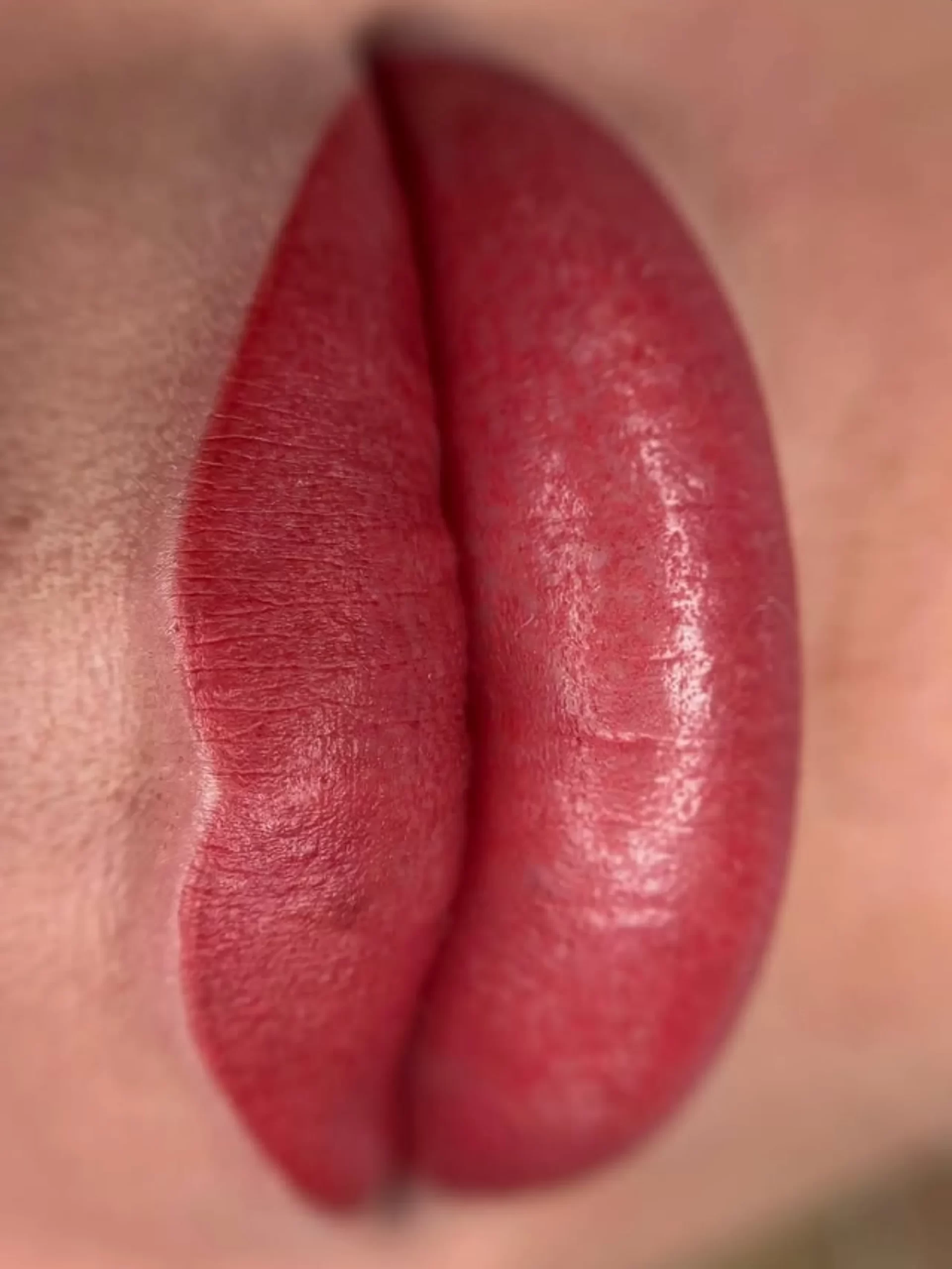
Here’s what I’ve seen in the studio, time after time. Clients who:
- Have caffeine before a lip blush tattoo, brow tattoo or micro needling
- Come in dehydrated or skip breakfast
- Are already anxious or prone to skin sensitivity
- Drink energy drinks or take pre-workouts
…end up with more redness, swelling and yes, sometimes bruising.
Why? It’s a combination of things:
- Caffeine can heighten anxiety and make the body more reactive to pain. That means your nervous system is on high alert during treatment which can cause blood vessels to dilate rapidly after constriction.
- Shallow breathing and fidgeting can reduce oxygen flow. When you’re jittery your blood pressure can fluctuate and capillaries are more likely to break.
- Dehydration makes skin less resilient. And more likely to bruise or swell after trauma like tattooing or lasers.
Not the Villain, But Not Innocent Either
Especially around delicate areas like the lips, eyes or cheekbones — where blood vessels are close to the surface and the skin is thin. This is particularly true for cosmetic treatments involving lip filler or dermal needling.
Let’s Look at the Science
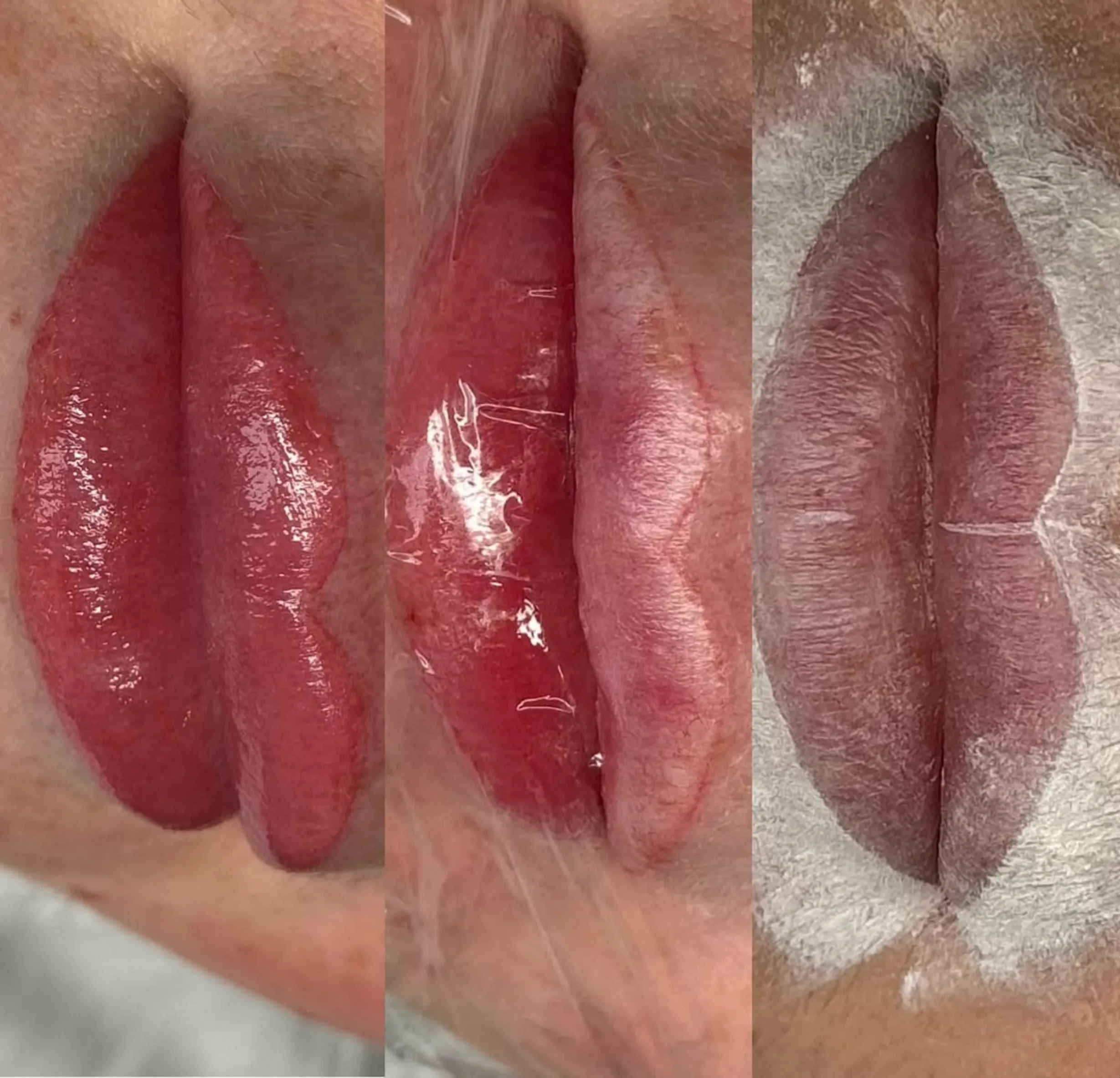
According to a 2025 survey of Australian dermal clinicians 37% asked clients to avoid caffeine before injectables or tattooing. Why? Because of the noticeable difference in how the skin behaves under stress.
Caffeine isn’t officially classified as a blood thinner but it can interfere with platelet aggregation in high doses especially when paired with other blood thinners (like alcohol, turmeric, pain medication or ibuprofen).
And while there’s no large-scale study confirming that caffeine directly causes bruising post-treatment, clinicians have long observed the difference in:
- Skin flush response
- Bleeding during tattoo or micro needling procedures
- Swelling and post-procedure healing
In one small study on post-filler outcomes clients who had more than 200mg of caffeine the morning of treatment were 23% more likely to develop noticeable bruising than those who abstained for 24 hours prior.
Pre-Treatment Tips
Want smoother healing and fewer mystery bruises? Here’s what we recommend at Cosmetic Tattoo Melbourne Studio Face Figurati:
Avoid these 24 hours before:
- Caffeine (yep, sorry)
- Alcohol
- Aspirin, ibuprofen or anti-inflammatory supplements
- Intense workouts (which increase blood flow to the skin)
- Energy drinks or caffeine-loaded pre-workouts
Do these instead:
- Stay hydrated (aim for 2L of water in the 24 hours prior)
- Eat a protein-rich, low-sugar meal beforehand
- Use a cold compress or ice on the area post-treatment
- Consider taking arnica or bromelain (natural anti-bruising supports)
- Try an infrared sauna the day before to boost circulation and detox through gentle sweat
Don’t Forget to Tell Your Therapist If:
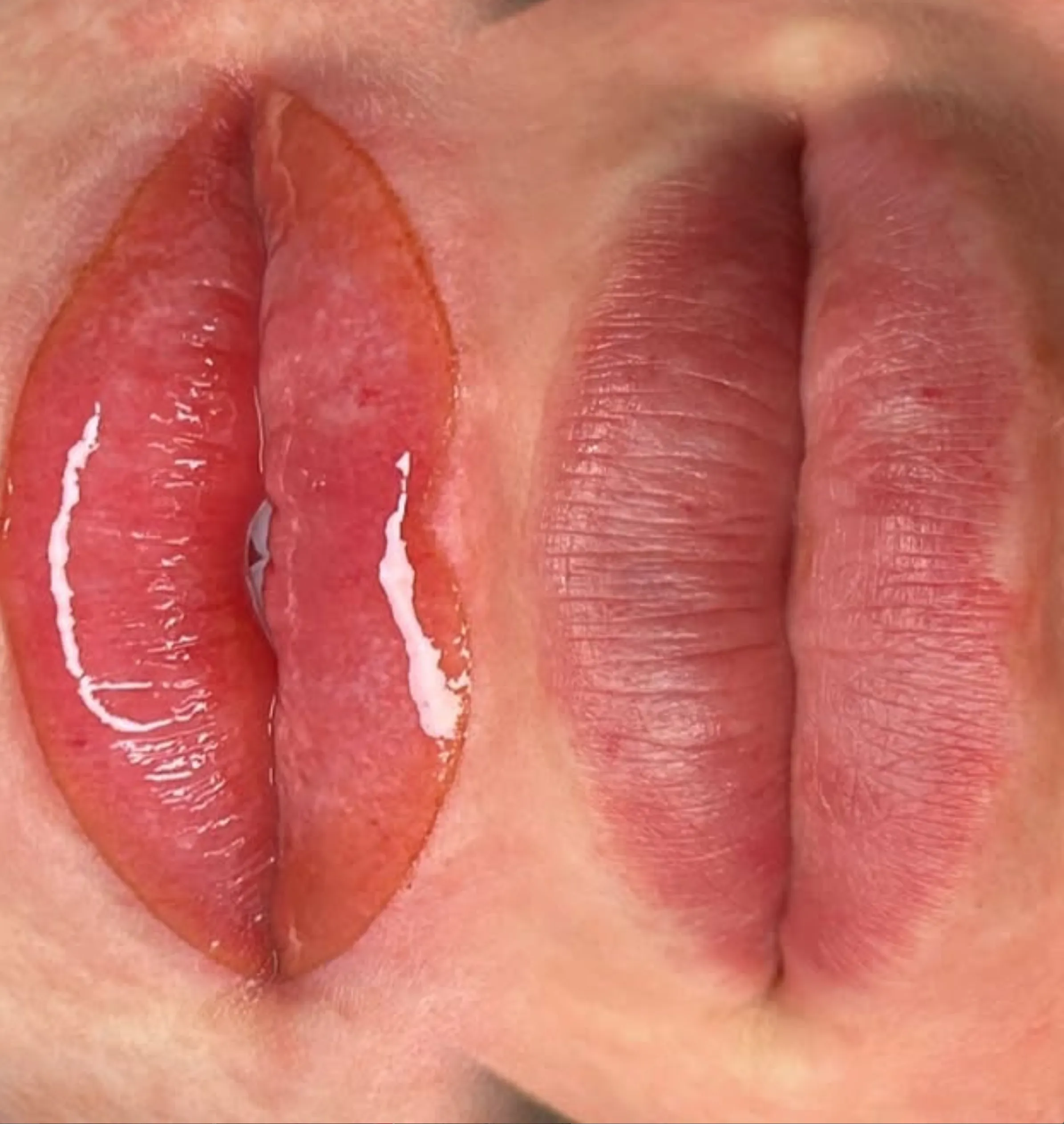
- You bruise easily or are on medication
- You’ve had caffeine, even if it was “just a tea”
- You feel dizzy, shaky or faint
It’s not about policing your habits — it’s about giving your skin the best chance to bounce back.
Real-World Results
We see it all: the well-prepped skin that heals cleanly, and the post-coffee lips that puff up like a bee sting. A few examples:
- Client A skipped her morning latte and came in calm and hydrated. Her cosmetic lip tattoo healed with almost no scabbing or swelling.
- Client B had a triple espresso before arriving and was fidgety throughout the treatment. She bruised under both lip corners and had noticeable swelling for 4 days.
Same technique, same pigment, same aftercare. The difference? Pre-treatment prep.
The Bottom Line
So, does caffeine increase bruising? Not directly — but it can trigger a domino of reactions in the body that make bruising more likely.
Especially when combined with:
- Anxiety or poor sleep
- Thin or sensitive skin
- Blood thinners or alcohol
- Long sessions (like lip blush or full face treatments)
- Stimulants like energy drinks
It’s not about demonising coffee (trust me, I love a long black as much as the next Melburnian), but about timing it smartly. Allow time for caffeine elimination from your system before your appointment.
Table: Caffeine’s Potential Effects on Bruising Risk
| Factor | Effect on Bruising | Notes |
|---|---|---|
| Vasoconstriction | May reduce bruising | Short-term, can be followed by rebound dilation |
| Platelet impact | Slight thinning effect | Only in high doses or combined with other substances |
| Dehydration | Increases risk | Makes skin more fragile and vessels more prone to breakage |
| Jitteriness | Increases risk | Stress response heightens vessel reactivity |
| Blood pressure spikes | Increases risk | Causes instability in vascular response |
Final Thoughts from the Treatment Bed
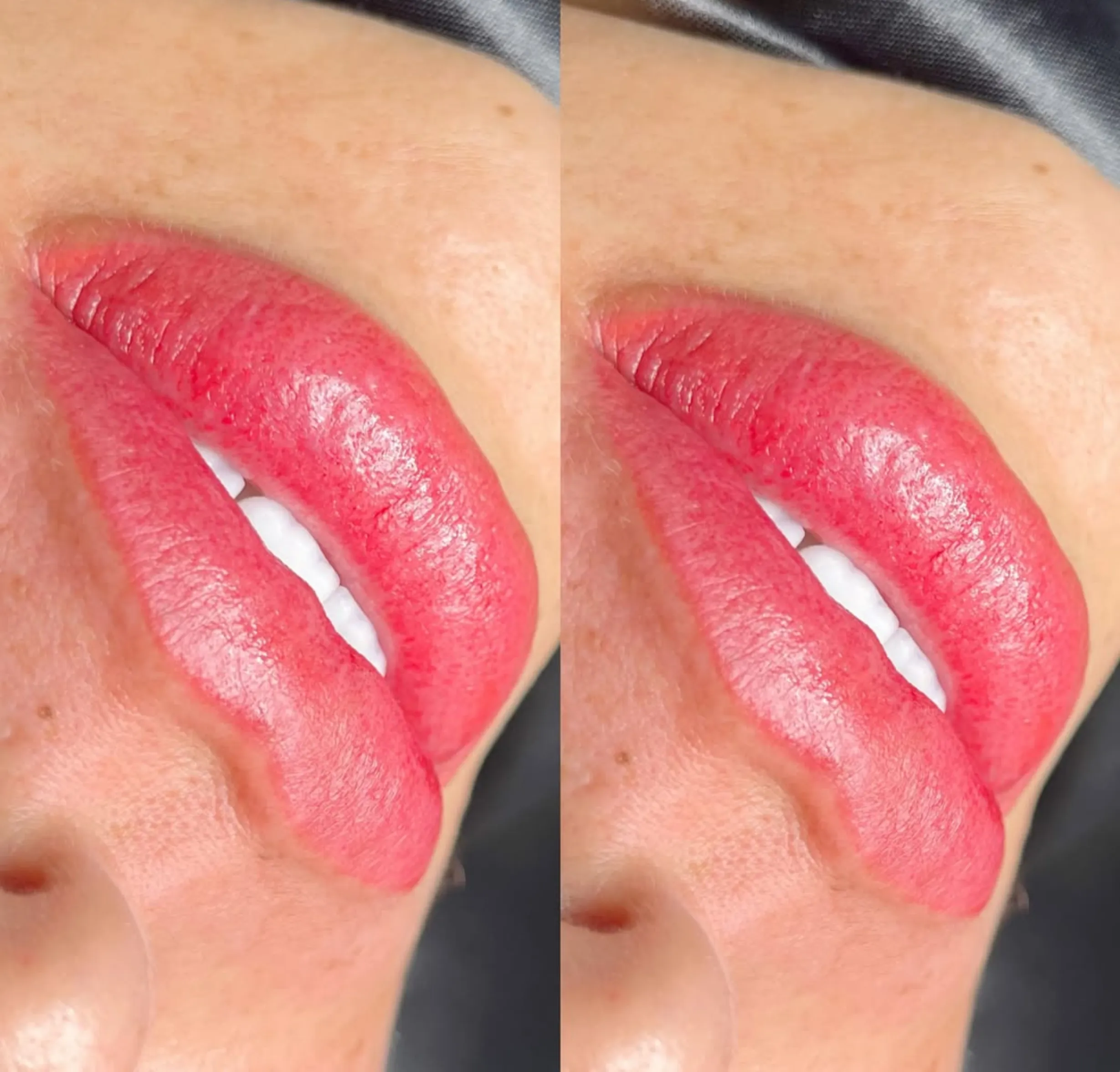
Bruising is complicated — and everyone’s body responds a bit differently. But if you want to reduce your risk, especially around sensitive areas, just lay off the latte for 12–24 hours before your treatment.
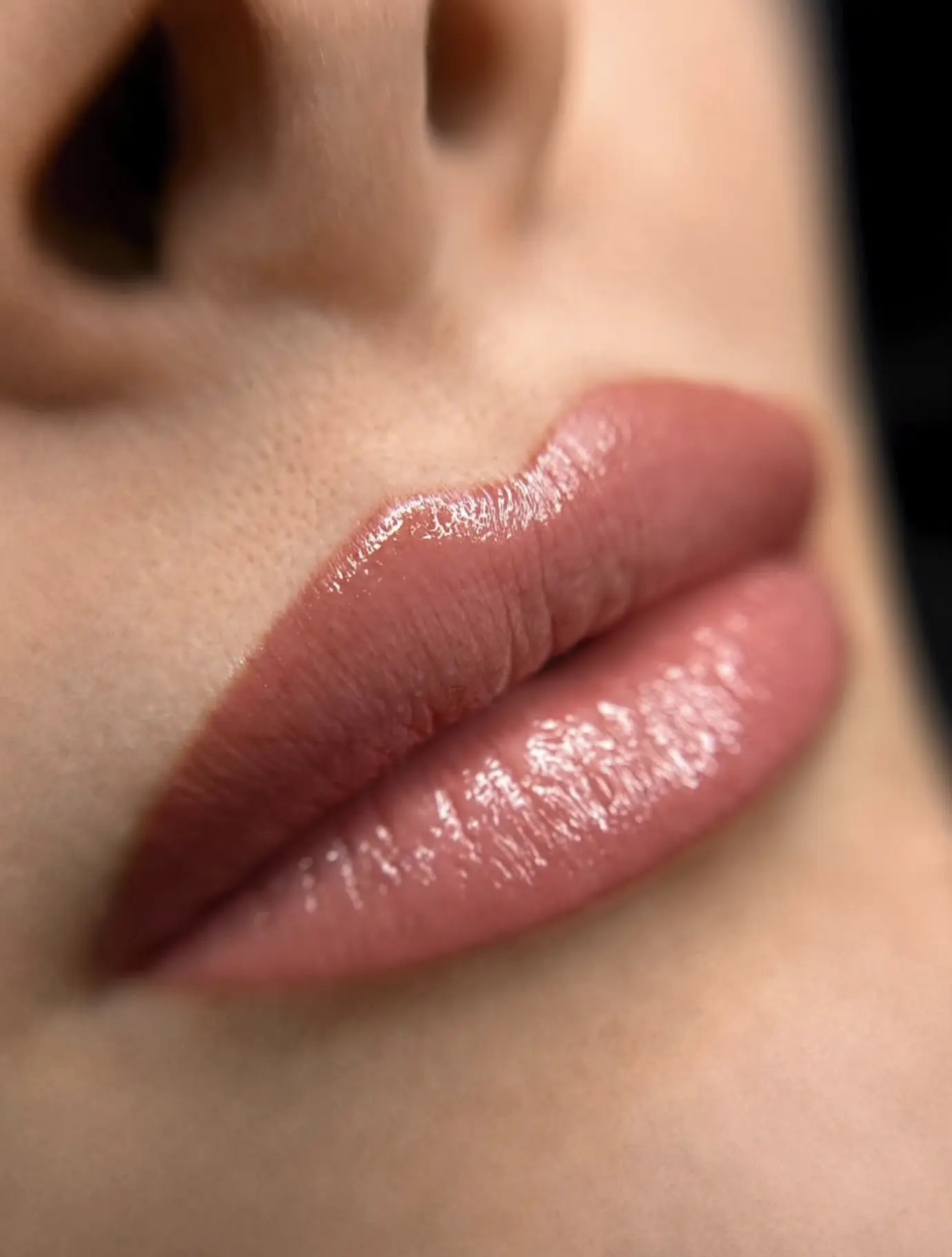
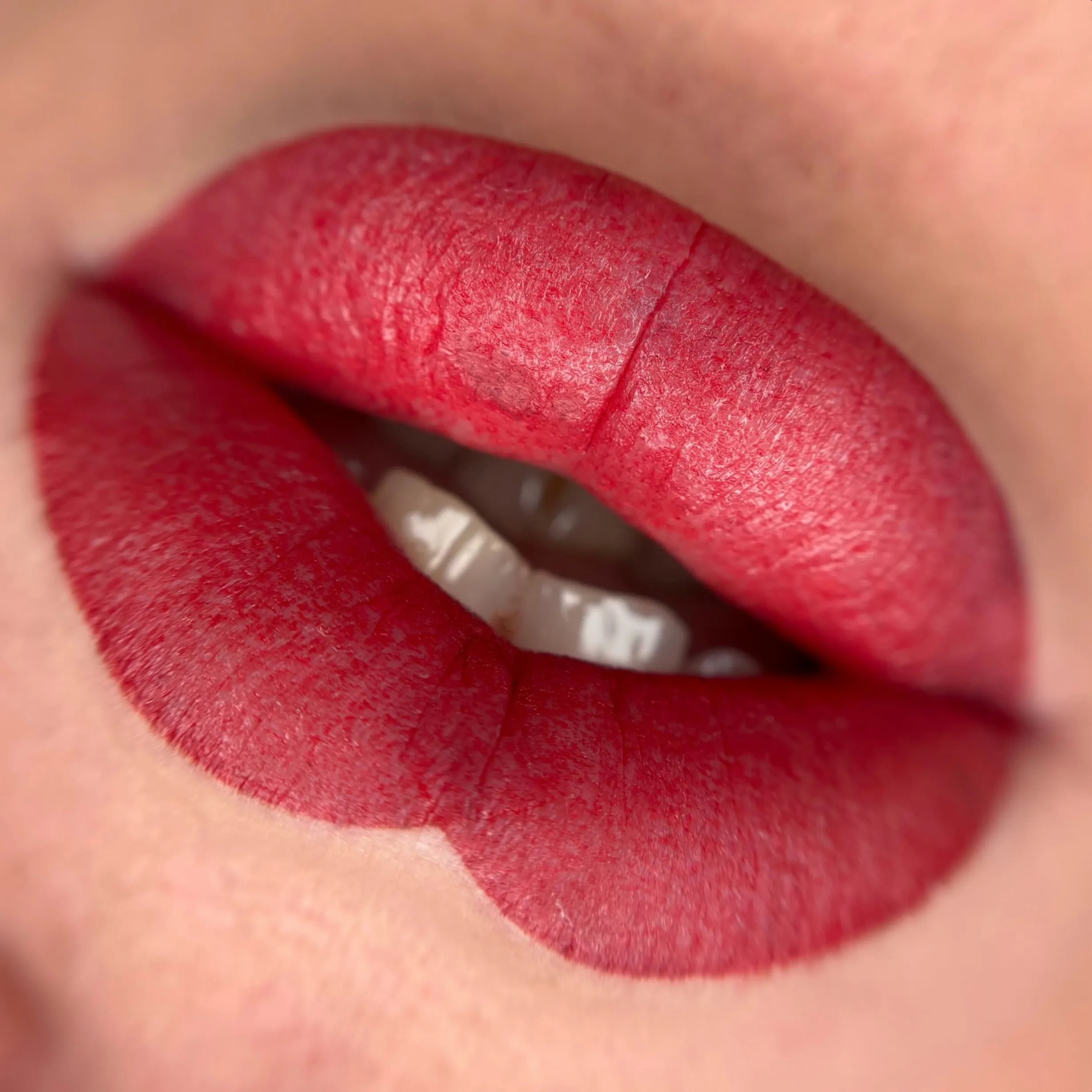
Whether you’re prepping for lip tattooing, brow work or a glow-up facial, a little planning goes a long way in the healing journey. Especially for the lip tattoo healing process — which can be reactive in some skin types.
Your skin will thank you.
Want a full pre-treatment prep guide? Just ask — I’m happy to share what we use in the studio.
FAQ
Can one cup of coffee cause bruising before cosmetic tattooing?
Probably not on its own, but if combined with other factors (like stress, energy drinks or alcohol) it can contribute to increased bruising.
Should I stop caffeine completely before beauty treatments?
No need to quit cold turkey, but avoiding caffeine for 12–24 hours pre-treatment is a good idea, especially for tattooing, injectables or microneedling.
Does caffeine affect swelling as well as bruising?
Yes, caffeine can increase blood pressure and surface level reactivity which may make swelling more pronounced.
Are there better drink options before treatment?
Absolutely. Go for water, herbal tea (non-caffeinated) or coconut water. Bonus points for electrolyte-rich drinks that help with hydration and performance.
Is bruising from beauty treatments dangerous?
Usually no — it’s a normal inflammatory response. But if bruising is severe, long-lasting or painful, always check with your provider.